
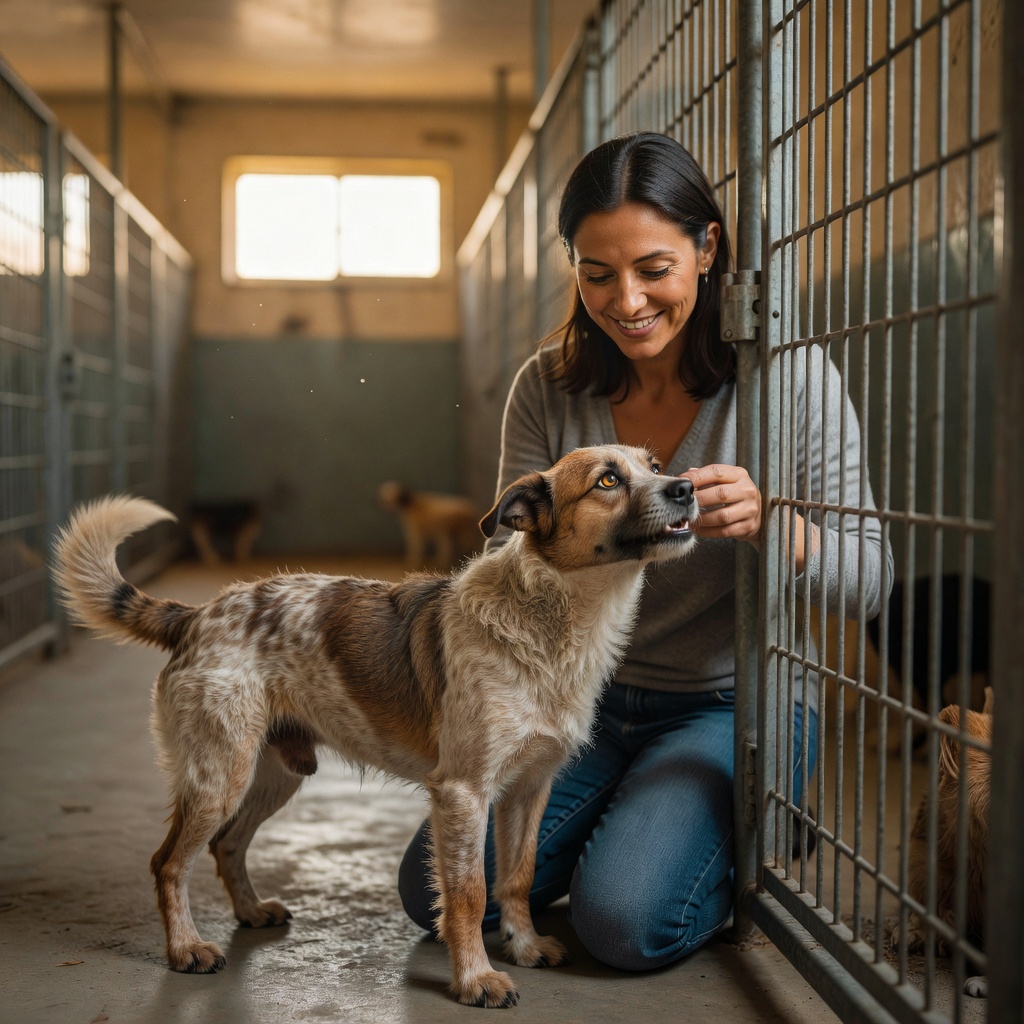
Dog Adoption Tips: Master the 3-3-3 Rule for Your Rescue Dog's Smooth Transition
Imagine this: You've just brought home your new rescue dog, tail wagging tentatively as they step into their forever home. Excitement bubbles up—you envision long walks, playful fetch sessions, and cozy evenings on the couch. But then, reality hits. Your new furry friend cowers in a corner, ignores their food bowl, or barks at every shadow. What gives? If you're a first-time adopter, this might feel like a plot twist straight out of a doggy drama. Fear not, friend—this is normal, and there's a game-changing framework to guide you through it: the 3-3-3 rule for dogs.
As someone who's walked this path with countless new pups, I can tell you that rescue dog adjustment isn't instant magic. Shelter dogs carry the weight of their past—stress from noisy kennels, uncertainty, maybe even heartbreak. The 3-3-3 rule breaks down their transition into three phases: 3 days, 3 weeks, and 3 months. It's not a rigid timeline but a roadmap for patience, understanding, and bonding. Stick with it, and you'll unlock your dog's true personality. Ready to dive into these dog adoption tips? Let's go!
What Is the 3-3-3 Rule? Your Blueprint for Bringing Home a New Dog
Picture the 3-3-3 rule as your dog's emotional GPS. Developed by animal welfare experts, it reminds us that bringing home a new dog from a shelter is a big deal. These pups need time to decompress, adapt to your routine, and build lasting trust. Here's the breakdown:
- 3 Days: Pure decompression. Your dog is in survival mode, taking in the new smells, sounds, and sights.
- 3 Weeks: Settling into the household rhythm. They're starting to relax and learn the lay of the land.
- 3 Months: True colors emerge. Bonds deepen, quirks shine, and your dog feels like family.
This isn't just theory—it's backed by years of shelter dog advice from trainers and rescuers. Expect shutdowns, surprises, and sweet victories along the way. Pro tip: Before adopting, consider taking the MatchMyBreed quiz. It matches you with breeds based on lifestyle, helping ensure a smoother start.
Phase 1: The First 3 Days – Decompression Mode Activated
Those initial 72 hours? They're like jet lag for your rescue dog. After the chaos of shelter life—barking neighbors, cold floors, fleeting human interactions—your home feels like another planet. Don't be alarmed if they hide under the bed, skip meals, or seem disinterested. This is rescue dog adjustment in action: pure overwhelm.
Essential Shelter Dog Advice for Days 1-3
- Keep it low-key: Skip the big welcome party. Limit visitors, avoid crowded parks, and stick to quiet routines. Let them explore at their pace—maybe just the living room first.
- Set up a safe space: Create a cozy crate or corner with a blanket that smells like the shelter (ask for one!). Add water nearby, but no pressure to eat.
- Observe, don't push: Note their body language—tucked tail? Wide eyes? These signal stress. Short, leashed potty breaks only—no off-leash adventures yet.
- Patience is your superpower: Resist the urge to "fix" everything. A frozen Kong toy or gentle petting (if they allow) can work wonders.
By day three, you might see a glimmer—a wag, a sniff of interest. Celebrate small wins; they're building blocks for trust.
Phase 2: 3 Weeks In – Learning Your Routine
Week one hits, and your dog starts peeking out. By week three, they're shadowing you from room to room, figuring out mealtimes and walks. This is when the 3-3-3 rule for dogs shifts gears: from shell-shocked survivor to curious explorer. Behaviors might pop up—house soiling, reactivity—but it's all part of adapting.
Dog Adoption Tips to Nail This Phase
- Establish consistency: Feed, walk, and play at the same times daily. Dogs thrive on predictability—it banishes anxiety.
- Start basic training: Use positive reinforcement for sit, stay, and name response. Short sessions (5-10 minutes) keep it fun.
- Expand their world gently: Introduce the backyard, then neighborhood walks. Watch for triggers like other dogs and redirect calmly.
- Health check-in: Schedule a vet visit for vaccines, spay/neuter, and a baseline exam. Address any lingering shelter quirks early.
"Routines aren't restrictions—they're your dog's security blanket in a brand-new world."
Around week three, that shy pup might chase a toy or snuggle up. You're turning the corner!
Phase 3: 3 Months – Trust, Personality, and Forever Bonds
Ah, the magic of month three. Your rescue dog's mask slips away, revealing the goofball, cuddler, or adventurer beneath. They've mastered your home, but now it's about deepening that connection. Expect full personalities to bloom—maybe zoomies at midnight or a love for car rides.
Bringing Home a New Dog: Long-Term Strategies
- Build advanced trust: Enroll in obedience classes or agility for mental stimulation. Off-leash reliability? Work toward it safely.
- Socialize smartly: Dog parks if they're ready, playdates with known pups. Always prioritize their comfort.
- Monitor and adjust: Separation anxiety or food guarding? Consult a trainer. Early intervention prevents issues.
- Celebrate milestones: Mark potty training graduation or first hike. These reinforce your team.
If breed traits surprise you—like high energy in a "lazy" breed—revisit that MatchMyBreed quiz. It can illuminate why your dog acts the way they do.
Common Pitfalls and Pro Tips for Rescue Dog Success
Even with the 3-3-3 rule, bumps happen. New adopters often expect instant love (we've all been there) or push too fast. Instead:
- Journal daily observations to track progress.
- Stock up on puzzle toys for mental enrichment.
- Join adopter communities for support.
- Be flexible—every dog timelines differently.
Your patience now pays dividends forever.
Embrace the Journey: Your Rescue Dog's Best Life Awaits
Mastering the 3-3-3 rule for dogs transforms chaos into harmony. From those tentative first steps to joyful tail chases, you've given your rescue a second chance—and gained a loyal companion. It's messy, miraculous, and utterly worth it. So, take a breath, follow these dog adoption tips, and watch the magic unfold. Who's ready for puppy love? You've got this.
P.S. Still shopping for your perfect match? Hit up the MatchMyBreed quiz today—it's your secret weapon for shelter dog advice that fits like a glove.